Nootropic
The selank peptide explained: a synthetic heptapeptide based on tuftsin, developed and registered in Russia, with research mostly on anxiety and cognition.

Selank is a heptapeptide consisting of a series of seven amino acids. Developed in Russia, selank is known and indicated for the treatment of conditions related to its anxiolytic and cognition-stimulating properties in the form of a nasal solution. Such a brief description alone conveys the majority of the information about selank available today. The available research mainly consists of Russian-style studies dedicated to anxiety and cognition.
This page looks at where selank came from, what its structure means in plain terms, and how to read the research without overstating it. We cover legal status separately on the selank UK page.
Selank is not a natural product; it is synthesized in a chemical laboratory, not extracted from nature. The development of Selank originates from a substance called tuftsin, and the final product is a peptide of seven amino acids.
Peptides are small sequences of amino acids that are the basic components of proteins. The sequence in which the amino acids are arranged determines the behavior of the peptide; therefore, a change in the position of a single amino acid will result in another peptide.
The relevant fact for a customer is that the term “selank” refers to a particular sequence. Testing alone determines if the product contains it.
Selank is a drug created in Russia and manufactured there in the form of a nasal spray. This is the highest regulatory level selank has achieved around the globe.
It does not travel. A Russian registration is not a UK licence, and the US FDA has not approved selank. When the FDA's compounding advisory committee met on 23 and 24 July 2026 and voted on six peptides, selank was not among them.
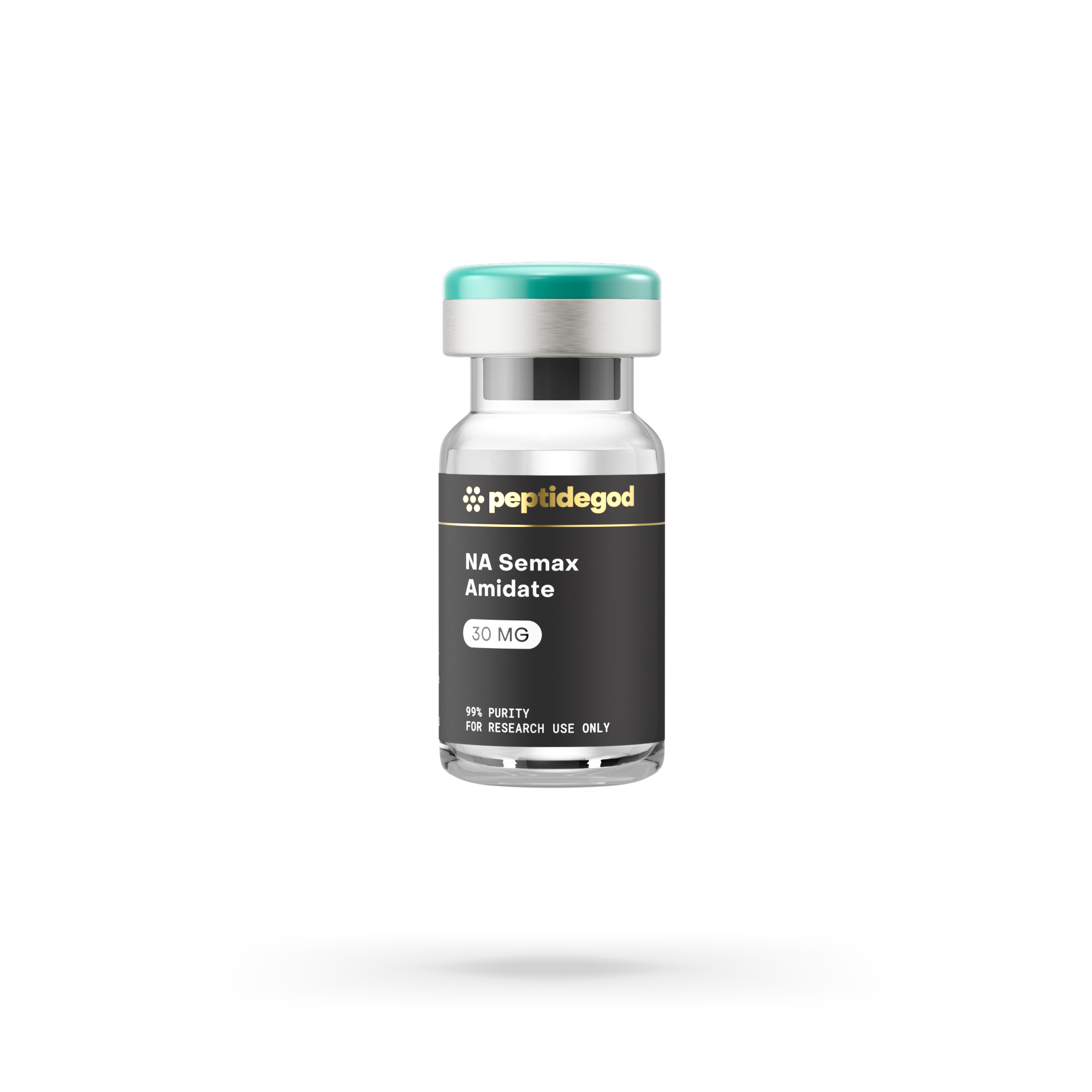
Semax shares the same national background. Both came out of Russian research, both are registered there, and both are sold elsewhere as research compounds. Our semax page compares semax with its N-acetyl amidate form.
The research on the selank peptide is mostly Russian and centres on anxiety and cognition. That is the honest scope of it. I have not found a body of large, controlled trials reviewed by UK or US regulators, and no UK regulator has assessed selank.
No assertions regarding the efficacy of selank for the treatment of anxiety, or for its memory-enhancing properties are made on this website, as this substance has no license in the UK.
When a study is in existence, it does not mean it has produced any results. The audience in the UK must grapple with three major restrictions with the selank literature.
None of this suggests that the selank peptide studies are of no value. This means that the research provides enough evidence to consider this substance as an intriguing compound but not as a definite remedy, and that is how a UK reader must assess any article or product that cites this evidence.
A common mistake is to treat a forum post quoting "Russian studies" as evidence. Ask which study, in whom, compared with what, and whether the product in the post matches the one in the paper.
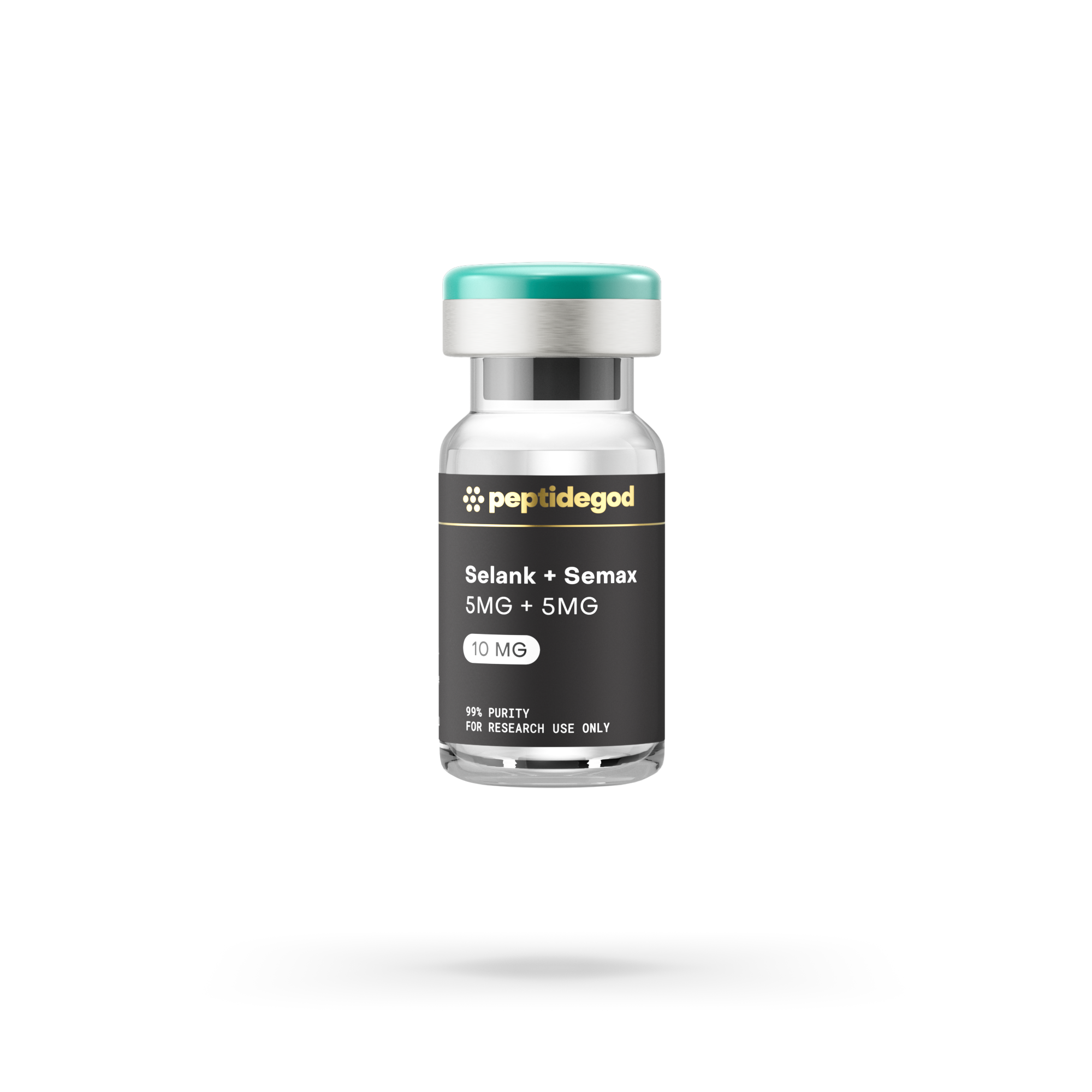
Peptide God, the vendor we offer, markets selank only as a part of a combination with Semax in a ready solution costing $59.95 (USD), which it says consists of seven peptides and is intended for the study of stress and cognition.
The vendor's description indicates that this nootropic research stack is a well-known product, but this statement is more of a marketing tool than an explanation of what the product can actually do. In our inquiry in November 2026, we noted that the vendor does not have a Trustpilot page, signifying the absence of reliable information about the vendor from independent sources.
There is no standalone selank product in that range. If a single-peptide product matters to you, that is a real limitation, and the Selank + Semax Blend page explains what you get instead. The vendor is US-based, so confirm UK shipping on its site before ordering, and allow for Border Force checks, VAT or duty.
Selank is a heptapeptide consisting of a series of seven amino acids. Developed in Russia, selank is known and indicated for the treatment of conditions related to its anxiolytic and cognition-stimulating properties in the form of a nasal solution. Such a brief description alone conveys the majority of the information about selank available today. The available research mainly consists of Russian-style studies dedicated to anxiety and cognition.
This page looks at where selank came from, what its structure means in plain terms, and how to read the research without overstating it. We cover legal status separately on the selank UK page.
Selank is not a natural product; it is synthesized in a chemical laboratory, not extracted from nature. The development of Selank originates from a substance called tuftsin, and the final product is a peptide of seven amino acids.
Peptides are small sequences of amino acids that are the basic components of proteins. The sequence in which the amino acids are arranged determines the behavior of the peptide; therefore, a change in the position of a single amino acid will result in another peptide.
The relevant fact for a customer is that the term “selank” refers to a particular sequence. Testing alone determines if the product contains it.
Selank is a drug created in Russia and manufactured there in the form of a nasal spray. This is the highest regulatory level selank has achieved around the globe.
It does not travel. A Russian registration is not a UK licence, and the US FDA has not approved selank. When the FDA's compounding advisory committee met on 23 and 24 July 2026 and voted on six peptides, selank was not among them.
Semax shares the same national background. Both came out of Russian research, both are registered there, and both are sold elsewhere as research compounds. Our semax page compares semax with its N-acetyl amidate form.
The research on the selank peptide is mostly Russian and centres on anxiety and cognition. That is the honest scope of it. I have not found a body of large, controlled trials reviewed by UK or US regulators, and no UK regulator has assessed selank.
No assertions regarding the efficacy of selank for the treatment of anxiety, or for its memory-enhancing properties are made on this website, as this substance has no license in the UK.
When a study is in existence, it does not mean it has produced any results. The audience in the UK must grapple with three major restrictions with the selank literature.
None of this suggests that the selank peptide studies are of no value. This means that the research provides enough evidence to consider this substance as an intriguing compound but not as a definite remedy, and that is how a UK reader must assess any article or product that cites this evidence.
A common mistake is to treat a forum post quoting "Russian studies" as evidence. Ask which study, in whom, compared with what, and whether the product in the post matches the one in the paper.